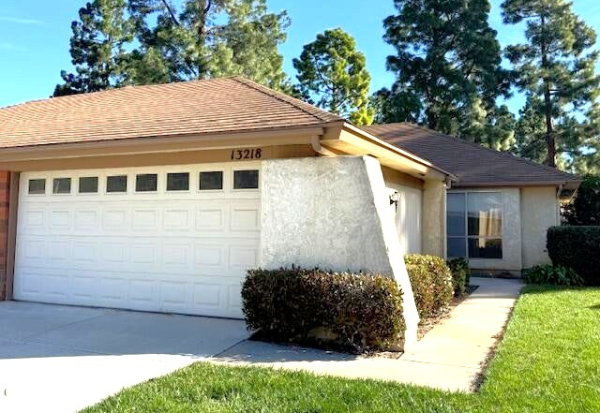
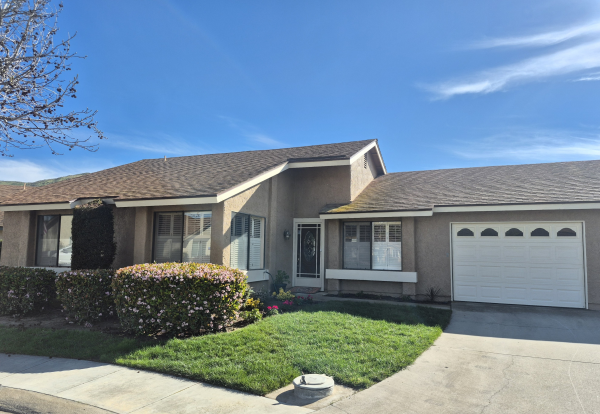
The typical U.S. homeowner now stays in their home for roughly 11 to 13 years—nearly double the 6.5-year average common two decades ago. While exact figures vary, recent data all point to the same emerging trend: Americans are holding on to their homes much longer.
Why Fewer Homeowners Are Moving
Several forces are driving this shift. Many older homeowners are choosing to age in place, prioritizing comfort, familiarity, and established community ties. Others are holding on to historically low mortgage rates secured in the early 2020s, reluctant to trade them for today’s higher borrowing costs, with 30-year fixed rates still hovering in the mid-6% range. Ongoing economic uncertainty has also made some homeowners more cautious about making a move.
The Impact on Housing Supply
Longer ownership has significantly slowed home turnover. In 2025, only about 28 out of every 1,000 U.S. homes changed hands—one of the lowest rates seen in decades. Even as new listings have ticked up modestly, overall inventory remains tight, particularly in desirable neighborhoods.
What Buyers Should Expect
For buyers, fewer homes coming to market means competition can remain strong, even though the frenzy of 2020-2022 has eased. Preparation matters more than ever. Being preapproved, financially ready, and clear on must-haves—such as location, size, and features—can help buyers act confidently when the right home appears.
How Sellers Can Benefit
For sellers, limited supply can work in their favor. Homes that are priced realistically, staged well, and marketed effectively often attract strong interest. Even modest improvements, such as fresh paint or enhanced curb appeal, can increase visibility and value.
If you’d like a personalized look at your local market or your home’s current value, I’m here to help.